




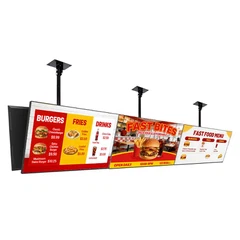

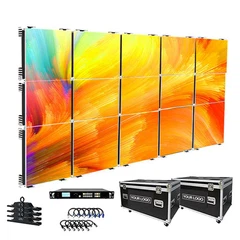

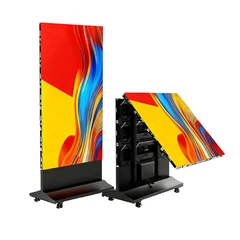




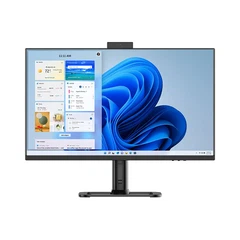
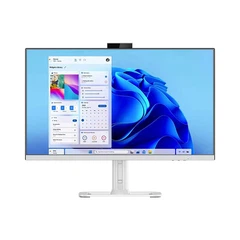
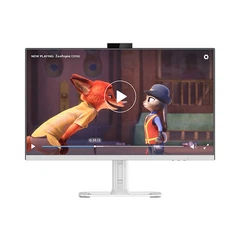

As a supplier of Stretched Bar LCDs, I often receive inquiries from customers interested in using our products in various environments. One question that comes up frequently is whether a Stretched Bar LCD can be used in a marine environment. In this blog post, I'll explore the factors to consider when using a Stretched Bar LCD in a marine setting and provide insights based on our experience in the industry.
Understanding the Marine Environment
The marine environment is a challenging one for electronic devices. It is characterized by high humidity, saltwater exposure, extreme temperatures, and strong UV radiation. These conditions can have a significant impact on the performance and lifespan of electronic components, including LCD displays.
Humidity in a marine environment can be extremely high, especially in coastal areas or on boats. High humidity can cause condensation to form inside the display, leading to corrosion of internal components and electrical shorts. Saltwater is another major concern. Saltwater is highly corrosive and can quickly damage the metal parts of an LCD display, such as the frame, connectors, and circuit boards.


Extreme temperatures are also common in the marine environment. During the day, the sun can heat up the display to high temperatures, while at night, the temperature can drop significantly. These temperature fluctuations can cause the materials in the display to expand and contract, leading to mechanical stress and potential damage. Additionally, the strong UV radiation in the marine environment can fade the colors of the display and damage the protective coatings.
Features of Stretched Bar LCDs
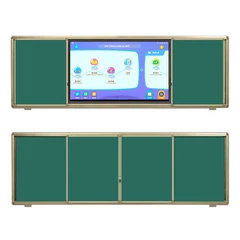
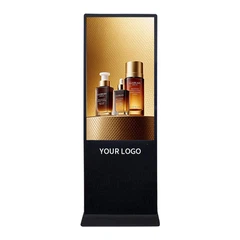
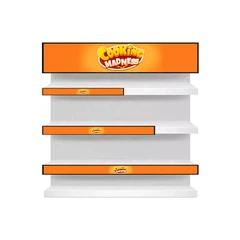
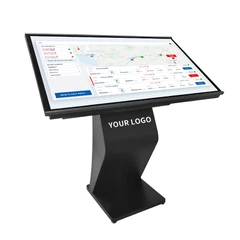
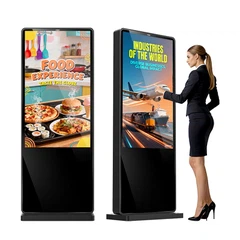
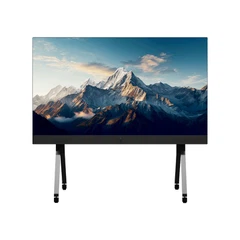
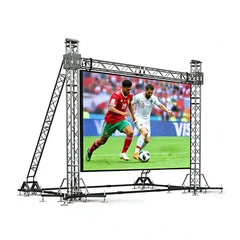
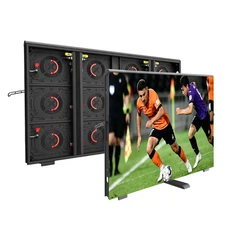
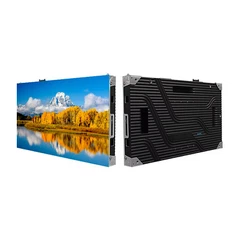
Before discussing whether a Stretched Bar LCD can be used in a marine environment, let's first understand the features of these displays. A Stretched Bar LCD Display is a type of LCD display that has a long, narrow shape. It is commonly used for digital signage applications, such as advertising, information display, and wayfinding.
Stretched Bar LCDs typically offer high-resolution images, wide viewing angles, and excellent color accuracy. They are also available in a variety of sizes and aspect ratios to meet different application requirements. Some Stretched Bar LCDs are designed with advanced features, such as anti-glare coatings, high-brightness backlights, and waterproof enclosures, which make them more suitable for outdoor and harsh environments.
Challenges of Using Stretched Bar LCDs in a Marine Environment
While Stretched Bar LCDs offer many benefits, using them in a marine environment presents several challenges. As mentioned earlier, the high humidity, saltwater exposure, extreme temperatures, and strong UV radiation can all have a negative impact on the performance and lifespan of the display.
One of the main challenges is protecting the display from saltwater corrosion. Saltwater can cause the metal parts of the display to rust and corrode, which can lead to electrical failures and mechanical damage. To prevent saltwater corrosion, the display needs to be sealed properly and made of corrosion-resistant materials.
Another challenge is dealing with the high humidity. High humidity can cause condensation to form inside the display, which can damage the internal components. To prevent condensation, the display needs to be designed with proper ventilation and moisture-resistant materials.
Extreme temperatures and UV radiation can also pose challenges. The high temperatures can cause the display to overheat, while the UV radiation can fade the colors of the display and damage the protective coatings. To address these issues, the display needs to be designed with heat dissipation mechanisms and UV-resistant coatings.
Solutions for Using Stretched Bar LCDs in a Marine Environment
Despite the challenges, it is possible to use a Stretched Bar LCD in a marine environment with the right solutions. Here are some of the solutions that we offer to make our Stretched Bar LCDs more suitable for the marine environment:
Waterproof Enclosures
We offer Stretched Bar LCDs with waterproof enclosures that are designed to protect the display from water, dust, and other environmental factors. These enclosures are made of high-quality materials, such as stainless steel or aluminum, and are sealed to prevent water from entering the display.
Corrosion-Resistant Materials
To prevent saltwater corrosion, we use corrosion-resistant materials in the construction of our Stretched Bar LCDs. For example, the frame and connectors of the display are made of stainless steel or other corrosion-resistant metals, and the circuit boards are coated with a protective layer to prevent corrosion.
Moisture-Resistant Design
Our Stretched Bar LCDs are designed with moisture-resistant materials and proper ventilation to prevent condensation from forming inside the display. The display is also equipped with a humidity sensor that can detect high humidity levels and activate a dehumidification system if necessary.
Heat Dissipation Mechanisms
To prevent the display from overheating in the high temperatures of the marine environment, we design our Stretched Bar LCDs with heat dissipation mechanisms, such as heat sinks and fans. These mechanisms help to transfer the heat away from the display and keep it at a safe operating temperature.
UV-Resistant Coatings
To protect the display from the strong UV radiation in the marine environment, we apply UV-resistant coatings to the surface of the display. These coatings help to prevent the colors of the display from fading and the protective coatings from being damaged.
Case Studies
To illustrate the effectiveness of our solutions, let's look at some case studies of our Stretched Bar LCDs being used in the marine environment.
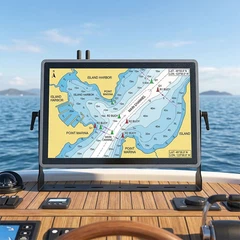
Marine Navigation System
One of our customers, a marine navigation system manufacturer, needed a Stretched Bar LCD display for their new product. The display needed to be able to withstand the harsh marine environment, including high humidity, saltwater exposure, and extreme temperatures.
We provided them with a Stretched Bar LCD display with a waterproof enclosure, corrosion-resistant materials, moisture-resistant design, heat dissipation mechanisms, and UV-resistant coatings. The display was installed on a boat and has been operating successfully for several years without any issues.
Marine Advertising Signage
Another customer, a marine advertising agency, needed a Stretched Bar LCD display for their advertising signage on a cruise ship. The display needed to be visible in bright sunlight and withstand the vibrations and movements of the ship.
We provided them with a high-brightness Stretched Bar LCD display with an anti-glare coating and a shock-resistant design. The display was installed in a prominent location on the cruise ship and has been attracting the attention of passengers with its high-quality images and clear visibility.
Conclusion
In conclusion, while using a Stretched Bar LCD in a marine environment presents several challenges, it is possible to overcome these challenges with the right solutions. As a supplier of Stretched Bar LCDs, we have the expertise and experience to provide our customers with high-quality displays that are suitable for the marine environment.
If you are interested in using a Bar LCD Display in a marine environment, we encourage you to contact us to discuss your specific requirements. Our team of experts will be happy to help you find the right solution for your application.
References
- "Marine Electronics: A Guide to Choosing and Installing Equipment," by John Vigor
- "LCD Displays: Principles and Applications," by Peter J. Bos
- "Environmental Factors Affecting Electronic Devices," by the Institute of Electrical and Electronics Engineers (IEEE)


