
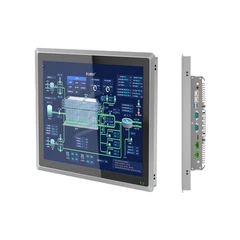
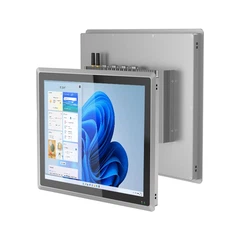
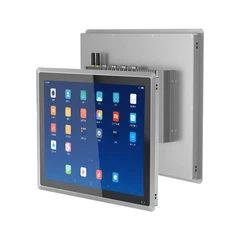
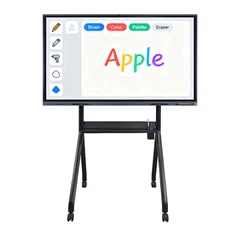
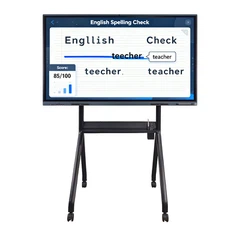
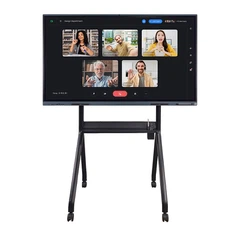
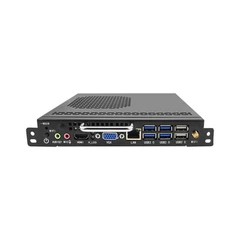
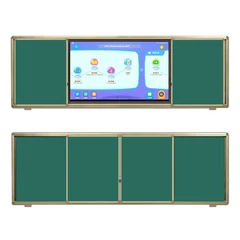


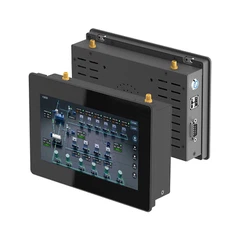
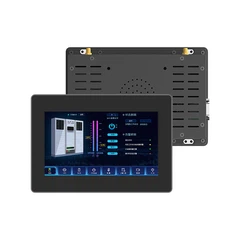

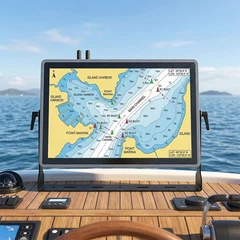
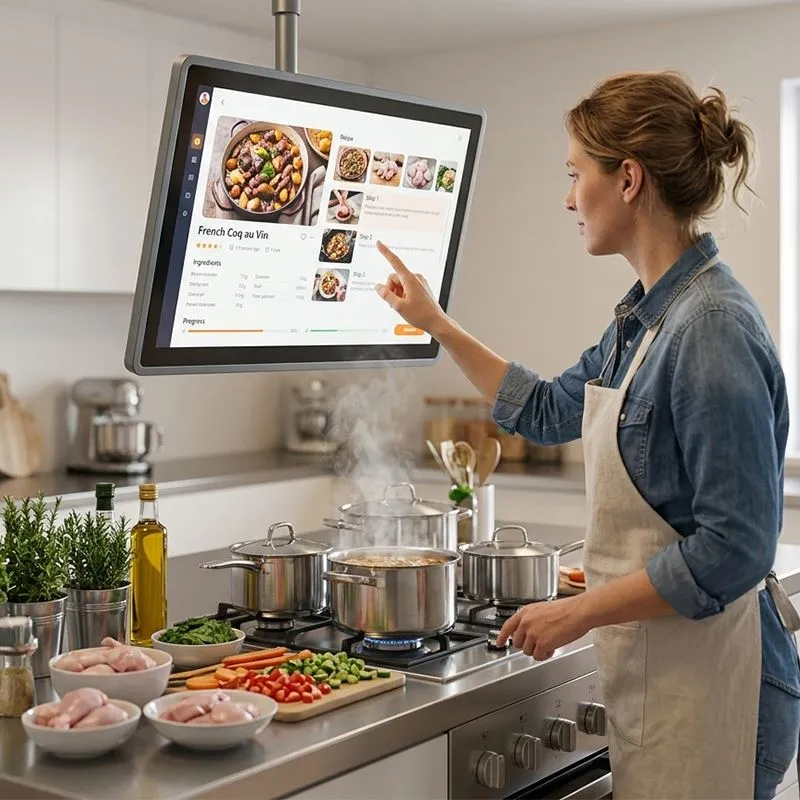
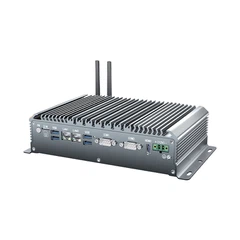



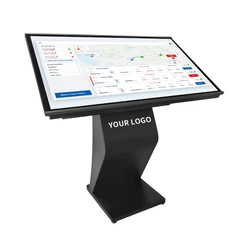
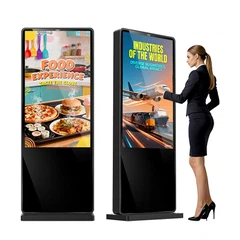








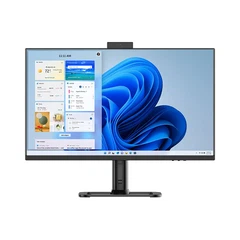
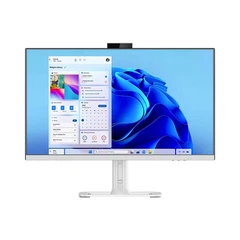
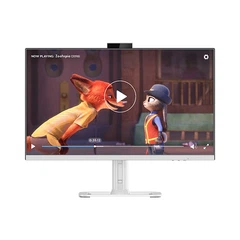
Centralized Control Management System: This self-developed centralized classroom equipment management software provides a unified control solution for the large-scale deployment of smart hardware on campus. It enables remote and unified management of smart devices such as classroom tablets, broadcasting systems, and lighting.
Smart Classroom Management System: This system integrates rich teaching resources and supports multiple smart terminals including computers, tablets, and mobile phones. It helps teachers deliver more targeted instruction in traditional teaching models, improves students' learning habits, and enhances school leaders' data visualization management. It provides excellent guidance for cyclical learning, constructing a closed-loop smart classroom teaching system model encompassing "pre-class, in-class, and post-class" learning, thereby significantly improving the interactive classroom, self-directed learning, and self-improvement goals of smart education.
Electronic Classroom Management System: This system can display various teaching scenarios in the current classroom, such as school announcement scenarios, daily scenarios, class scenarios, and exam scenarios. Administrators can create information about smart classrooms and their rooms, and the corresponding smart classroom screens will display the configured information. Simultaneously, classroom observation, evaluation, and repair requests can be directly performed on the smart display terminal, facilitating interaction and communication among classroom maintenance personnel, teachers, and students regarding classroom teaching and equipment usage, making teaching management more intelligent, user-friendly, and scientific.
Temperature Control Management System: Real-time temperature data acquisition, full product tracking and recording, LCD display, digital signal output, and built-in buzzer alarm function.

Recording and Broadcasting Management System: This system is specifically designed to record live classroom teaching sessions (teacher scenarios: teacher's body language, language, and expressions; media scenarios: blackboard writing, electronic courseware, DVDs, and display stands; teacher-student interaction scenarios: interaction between teachers, between teacher classes, between individuals, and between groups), creating live video recordings of the teaching environment. The device features one-button operation, ease of use, and meets the needs of teachers' routine teaching.
IP Broadcasting Management System: The campus network (digital) IP network broadcasting system, also known as the DTSAIC network broadcasting system, converts the signals transmitted by traditional broadcasting into digital signals, enabling transmission via the Internet or local area network to any location where needed, breaking through distance limitations. Digital IP network broadcasting systems are a significant manifestation of multimedia dissemination via the internet and a crucial aspect of the online development of broadcast television media. For traditional broadcasting, network broadcasting complements its functions; the two are complementary and cooperative.
IP Voice Intercom Management System: Digital network intercom systems provide functions such as voice intercom, video linkage, intercom recording, and recording playback. Compared to traditional intercom systems, they are easier to install and use. IP network intercom systems utilize leading IP intercom technology, transmitting audio signals as data packets over local area networks (LANs) and wide area networks (WANs), making it a purely digital hands-free intercom system.
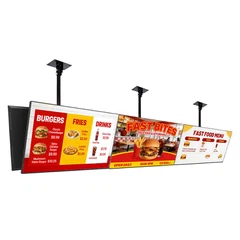
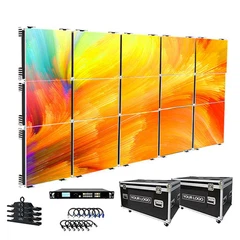
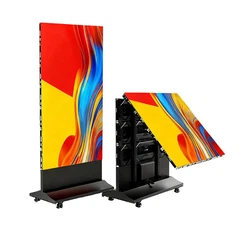
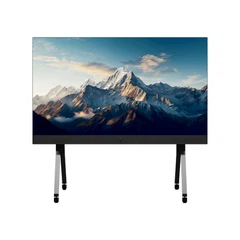
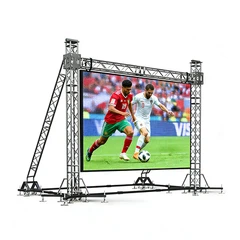
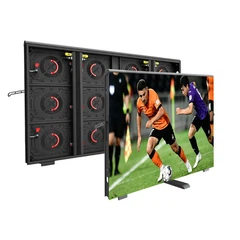
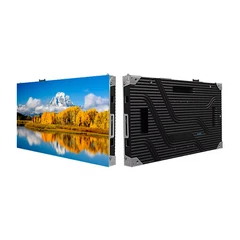
LED Screen Management System: LED screen information management systems primarily utilize advanced and mature computer and communication technologies, combining the advantages of both B/S and C/S architectures. While facilitating user operation, it does not compromise the system's original security. It also strengthens the management of various LED screens, achieving unified management, unified publishing, and unified implementation.
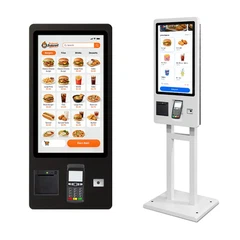
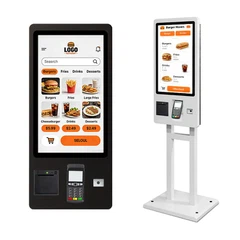
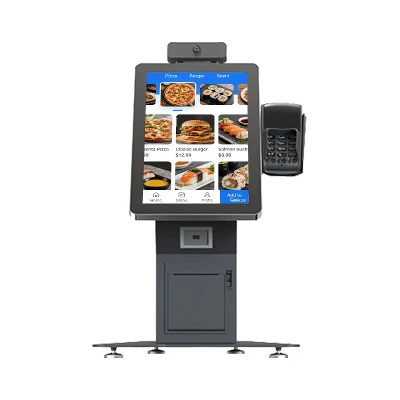
Smart Attendance Management System: Developed for school management systems, this system uses contactless card attendance machines. It is fast, low-cost, and supports multiple uses for both teacher and student ID cards. It can also connect to HR and payroll management systems, reducing costs and improving efficiency for schools and businesses. The Zhixuan Attendance Management System supports mobile phone attendance tracking, making attendance easy. Simply click the check-in or check-out button to easily clock in and out.
Repair Request Management System: This intelligent repair request management system is specifically developed for the repair services of university logistics departments. It provides university faculty and staff with a networked intelligent repair request platform, enabling data synchronization with WeChat. It utilizes mobile applications to establish a fast, convenient, and efficient repair operation system, improving the response speed and support level of logistics services.
Operations and Maintenance Management System: This is the first management system specifically designed for data center operations and maintenance. It is designed entirely according to the data center management and operation model, allowing data center administrators, instructors, and even student leaders to use this system to exercise their management functions within their responsibilities, achieving ideal management results. This includes effective supervision of data center assets; effective management of network security; effective control of computer usage; and provision of relevant data during data center operation to monitor the experimental process and its effects.


