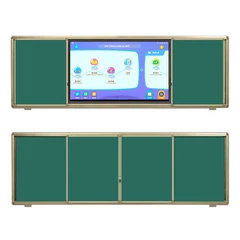


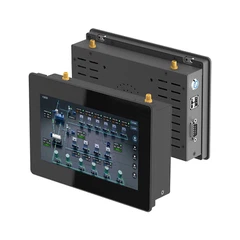
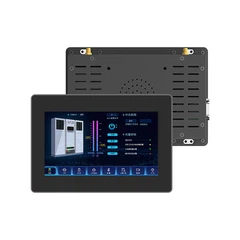

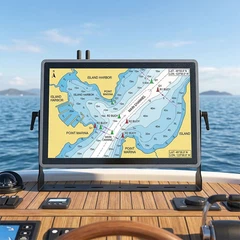
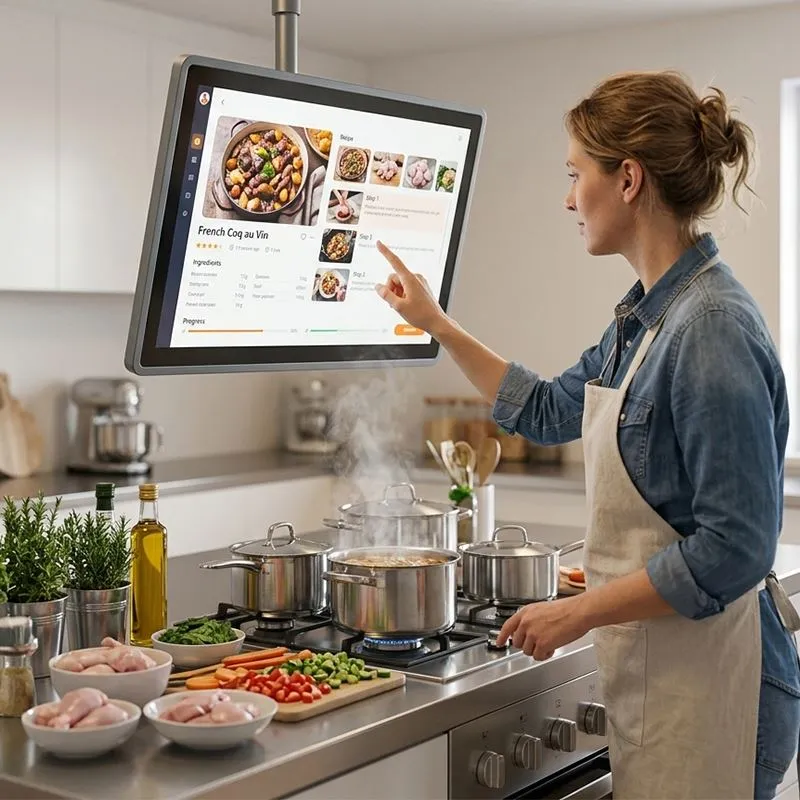
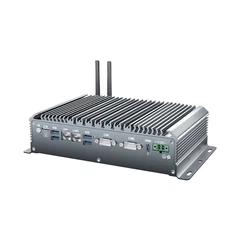




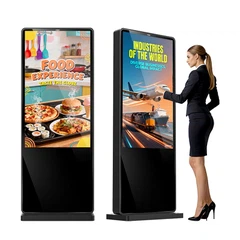
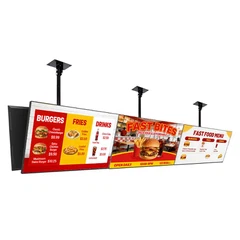


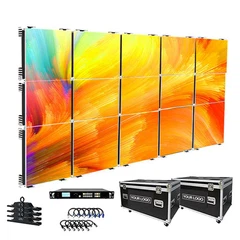

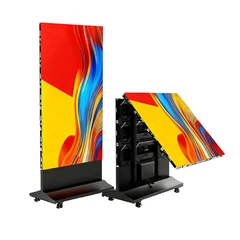


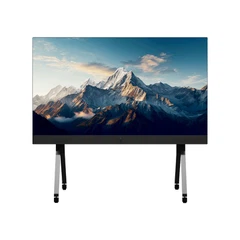
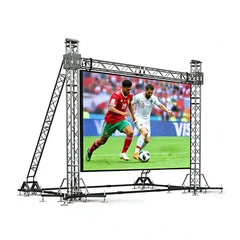
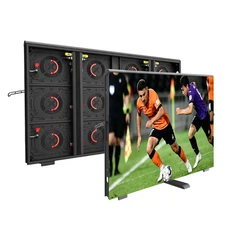
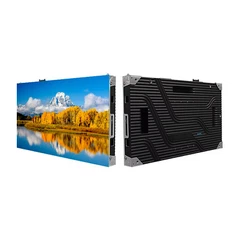

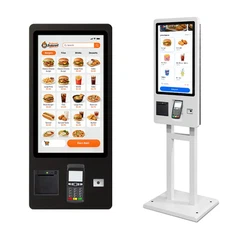
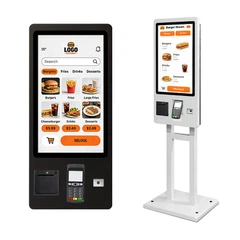
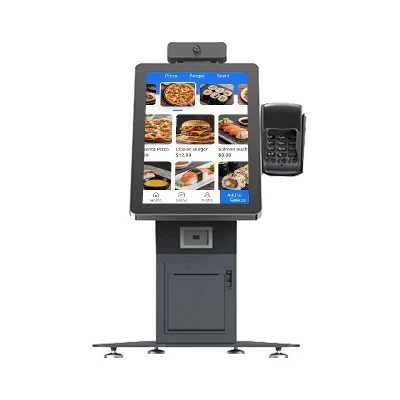


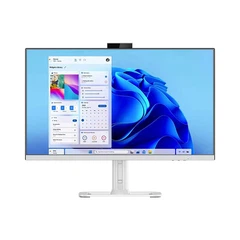
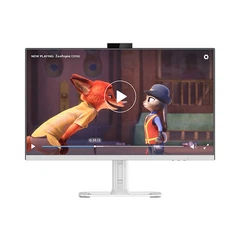
With the popularity of digital signage and displays, and the widespread adoption of flat-panel displays such as plasma and LCD, along with the development of network streaming media technology, the system architecture has undergone several generations of transformation. Initially, it consisted of a display screen and a DVD player or PC. Later, with the introduction of network technology, dedicated network media players replaced the traditional pure DVD or PC playback format, resulting in richer functionality and more diverse applications. Therefore, some consider it alongside print media, radio, television, and the internet as the "fifth medium," capable of disseminating information to specific groups at specific times and locations.
Multimedia information dissemination systems integrate the diversity and vividness of multimedia video information, achieving remote centralized management and real-time content updates, allowing audiences to receive the latest information immediately. Digital media information dissemination systems will become an important carrier of information technology construction. They not only provide timely, comprehensive, high-quality, and efficient information services and a new cultural atmosphere, but also greatly enhance the overall image of the environment, representing an inevitable trend in modern architecture.
Its unique distributed area management technology truly realizes a communication model where different terminals within the same system can differentiate audiences. This system allows users to easily build a centralized, networked, professional, intelligent, and segmented multimedia information publishing system. It provides powerful professional services for information editing, transmission, publishing, and management.
Designed with a forward-looking, scalable, advanced, and practical approach to meet client business needs, the system uses centralized control and unified management to combine various media files such as images, slideshows, animations, audio, video, and scrolling text into multimedia programs. These programs are transmitted over a network to a digital media controller, which then plays and controls the content on appropriate display devices according to control rules. It can also insert news, images, emergency notices, and other real-time information, delivering the latest information to the audience immediately. The digital media information publishing system is a more advanced information publishing system developed from the multimedia information publishing system.
The system adopts a centralized control and management solution with automatic broadcasting. It features a distributed structure, open interfaces, human-computer interaction, and good scalability. Furthermore, the system is powerful, has a user-friendly interface, and is easy to install and maintain. The digital media information publishing system is based on a network architecture, integrating program editing, transmission and publishing, interactive business inquiries, information guidance, and centralized control and management. It can also be seamlessly integrated with bank inquiry systems, real-time exchange rate systems, automatic real-time weather forecasts, real-time stock information, real-time financial data systems, touch screen inquiry systems, queuing systems, OA office systems, attendance systems, corporate training systems, industrial control systems, and real-time databases.
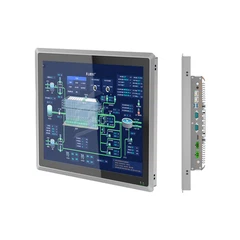
The system supports display devices including LCD screens, televisions, plasma displays, dual-color LEDs, full-color LEDs, rear projection displays, and touch screens.