








In the realm of modern education, technology has consistently played a pivotal role in reshaping teaching methods and enhancing learning experiences. One such innovative tool that has entered the educational spotlight is the nano blackboard. As a nano blackboard supplier, I am often asked about the applicability of these advanced boards in various teaching contexts, particularly in mechanics teaching classes. This blog post aims to explore the potential benefits and considerations of using a nano blackboard in a mechanics classroom.
The Basics of Nano Blackboards
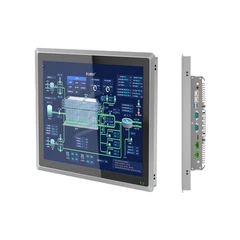
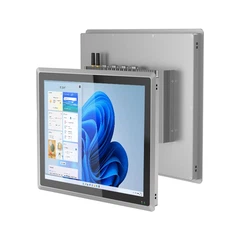
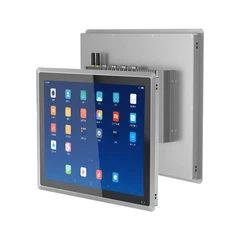
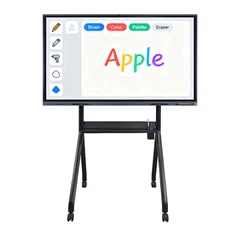
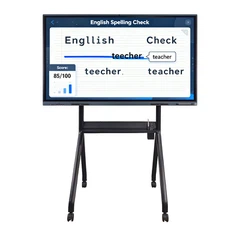
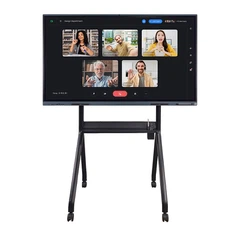
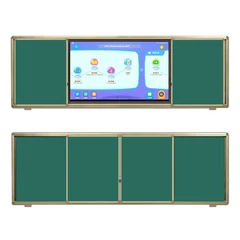
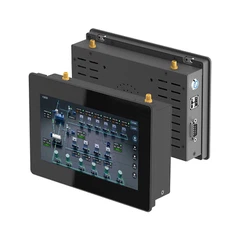
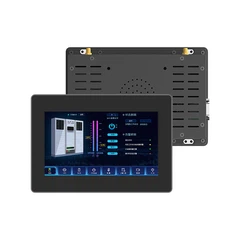
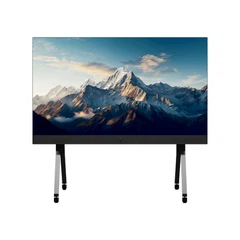
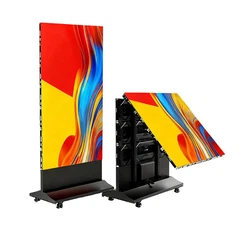
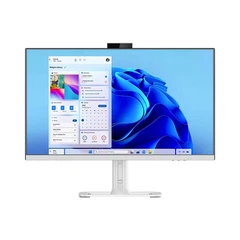
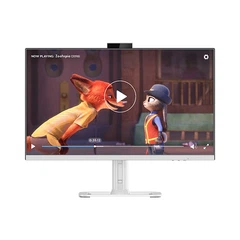
Before delving into their use in mechanics teaching, it's essential to understand what nano blackboards are. Nano blackboards, also referred to as Smart Nano Blackboard, are a new generation of digital teaching tools. They combine the traditional functionality of a blackboard with modern digital technology. Unlike conventional blackboards, which rely on chalk or markers, nano blackboards can display digital content, such as videos, images, and interactive presentations. They are often equipped with touch - screen capabilities, allowing teachers to write, draw, and annotate directly on the board just like on a regular blackboard, but with additional digital features.
Advantages of Using Nano Blackboards in Mechanics Teaching
Visual Representation of Complex Concepts
Mechanics is a subject that heavily relies on visual representation. Concepts such as vectors, forces, and motion can be challenging to explain using traditional teaching methods alone. Nano blackboards offer a significant advantage in this regard. With the ability to display high - quality 3D models and animations, teachers can bring these abstract concepts to life. For example, when teaching about the principles of circular motion, a 3D animation on the Nano Interactive Blackboard can show how centripetal force acts on an object moving in a circle. Students can observe the direction and magnitude of the force in real - time, which is much more effective than a two - dimensional drawing on a traditional blackboard.
Interactive Learning
Interactive learning is a proven method to enhance student engagement and understanding. Nano blackboards facilitate this by allowing students to interact directly with the teaching content. Teachers can create interactive quizzes or problem - solving scenarios on the board. For instance, in a mechanics class, students can be asked to manipulate virtual forces and see how they affect the motion of an object. This hands - on approach makes learning more enjoyable and memorable, as students are actively involved in the learning process rather than passively listening to a lecture.
Real - Time Data Analysis
In mechanics experiments, data collection and analysis are crucial steps. Nano blackboards can be integrated with sensors and data collection devices. Teachers can use these boards to display real - time data during experiments, such as the relationship between force and acceleration. This immediate feedback helps students understand the experimental results more clearly and can lead to more in - depth discussions about the scientific principles involved.
Portability of Teaching Materials
As a teacher, carrying around stacks of textbooks, worksheets, and visual aids can be cumbersome. With a nano blackboard, all teaching materials can be stored digitally. Teachers can access a vast library of resources, including lecture notes, videos, and sample problems, with just a few clicks. This portability not only makes teaching more convenient but also ensures that teachers have access to up - to - date and comprehensive teaching materials at all times.
Considerations When Using Nano Blackboards in Mechanics Teaching
Technical Proficiency
One of the main challenges of using nano blackboards is the need for teachers to have a certain level of technical proficiency. While these boards are designed to be user - friendly, there is still a learning curve involved. Teachers need to learn how to operate the board, use its various features, and troubleshoot common technical issues. Schools and educational institutions may need to provide training programs to help teachers become comfortable with using nano blackboards effectively.
Cost
Nano blackboards are generally more expensive than traditional blackboards. The initial investment includes the cost of the board itself, as well as any additional software and hardware required for its operation. Schools need to consider their budget constraints when deciding whether to invest in nano blackboards. However, it's important to note that the long - term benefits, such as improved teaching effectiveness and student learning outcomes, may outweigh the initial cost.


Compatibility
Another consideration is the compatibility of nano blackboards with existing educational software and devices. Teachers may already be using certain teaching tools and software in their classrooms. It's crucial to ensure that the nano blackboard can integrate seamlessly with these existing resources. Otherwise, teachers may face difficulties in using their preferred teaching materials on the new board.
Case Studies: Success Stories in Mechanics Teaching with Nano Blackboards
There have been several successful implementations of nano blackboards in mechanics teaching. In a high - school mechanics class, the use of Digital Blackboard allowed teachers to present complex concepts in a more engaging way. Students reported a better understanding of topics such as momentum and energy conservation. The interactive features of the board enabled students to actively participate in solving problems, which led to improved test scores and higher levels of student satisfaction.
In a university - level mechanics course, the integration of real - time data analysis on the nano blackboard enhanced the laboratory experience. Students were able to analyze experimental data more efficiently and draw more accurate conclusions. This not only improved their understanding of the scientific principles but also prepared them for future research and professional work in the field of mechanics.
Conclusion
In conclusion, nano blackboards have great potential to enhance mechanics teaching. Their ability to provide visual representation of complex concepts, facilitate interactive learning, enable real - time data analysis, and offer portability of teaching materials makes them a valuable tool in the mechanics classroom. However, schools and teachers need to carefully consider the technical proficiency requirements, cost, and compatibility issues before implementing these boards.
If you are interested in exploring how nano blackboards can revolutionize your mechanics teaching, we invite you to reach out for a consultation. Our team of experts can provide you with more detailed information about our products and answer any questions you may have. Let's work together to create a more engaging and effective learning environment for your students.
References
- Smith, J. (2020). The Impact of Digital Technology on Science Teaching. Journal of Educational Technology, 25(3), 123 - 135.
- Johnson, A. (2019). Interactive Learning Tools in Mechanics Education. International Journal of Engineering Education, 32(2), 456 - 467.
- Brown, C. (2021). Real - Time Data Analysis in Science Classrooms. Educational Research Quarterly, 40(1), 78 - 90.


