

































As a supplier of all - in - one LEDs, I've witnessed firsthand the growing interest in how these innovative lighting solutions impact plant growth. The role of light in the plant kingdom is nothing short of fundamental, and all - in - one LEDs are emerging as a game - changer in the field of horticulture.
The Basics of Plant Growth and Light
Plants are photosynthetic organisms, which means they convert light energy into chemical energy to fuel their growth and development. Different wavelengths of light play distinct roles in this process. For instance, blue light is crucial for vegetative growth, influencing leaf development and overall plant structure. It helps in regulating the opening and closing of stomata, which are tiny pores on the surface of leaves that allow for gas exchange. Red light, on the other hand, is essential for flowering and fruiting. It is involved in the process of photoperiodism, which determines when a plant will flower based on the length of day and night.
Traditional lighting sources for indoor plant cultivation, such as fluorescent and incandescent lights, have limitations. Fluorescent lights often lack the full spectrum of light that plants need, and incandescent lights produce a lot of heat, which can be harmful to plants. All - in - one LEDs, however, offer a more comprehensive solution. They can be engineered to provide a specific spectrum of light that closely mimics natural sunlight or can be customized to meet the specific needs of different plant species at various growth stages.
Advantages of All - in - One LEDs for Plant Growth
One of the primary advantages of all - in - one LEDs is their energy efficiency. Compared to traditional lighting sources, LEDs consume significantly less energy while producing the same or even more light. This not only reduces the electricity bill for indoor growers but also makes the cultivation process more sustainable. For large - scale commercial growers, the savings in energy costs can be substantial over time.
Another benefit is the ability to control the light spectrum. All - in - one LEDs can be designed to emit specific wavelengths of light at different intensities. This means that growers can tailor the lighting conditions to optimize plant growth. For example, during the vegetative stage, a higher proportion of blue light can be provided to promote strong stem and leaf growth. As the plant enters the flowering stage, more red light can be added to encourage flower development. Some advanced all - in - one LEDs even come with programmable settings, allowing growers to create a customized lighting schedule that changes over time, just like the natural progression of sunlight throughout the seasons.
In addition, all - in - one LEDs produce very little heat. This is a significant advantage because excessive heat can stress plants, damage their tissues, and even lead to reduced yields. With LEDs, growers can place the lights closer to the plants without the risk of overheating, which maximizes the light intensity received by the plants and promotes more efficient photosynthesis.
Case Studies and Research Findings
Numerous studies have been conducted to evaluate the impact of all - in - one LEDs on plant growth. In a recent experiment, researchers compared the growth of lettuce plants under all - in - one LEDs and traditional fluorescent lights. The results showed that the lettuce plants grown under the LEDs had significantly higher biomass, better leaf quality, and a shorter growth cycle. The ability of the LEDs to provide a more targeted light spectrum was credited for these positive outcomes.
Another study focused on the cultivation of tomatoes. By using all - in - one LEDs with a customized light spectrum, growers were able to increase the number of fruits per plant and improve the overall quality of the tomatoes. The tomatoes had a higher sugar content and a more intense flavor, which are desirable traits for both consumers and the food industry.
Product Offerings
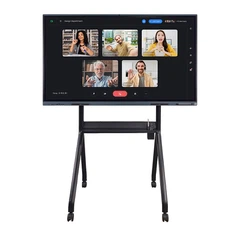
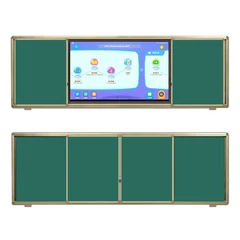
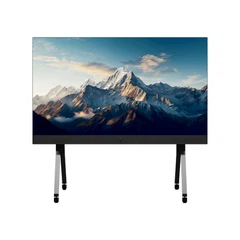
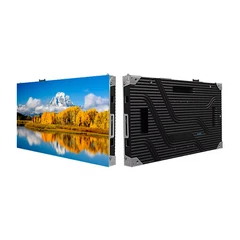
As a supplier, we offer a range of all - in - one LEDs suitable for different plant cultivation needs. Our 108 Inch All - in - one LED Interactive Board is a great option for small to medium - sized indoor gardens. It provides a wide and uniform light distribution, ensuring that all plants receive an adequate amount of light. The interactive board also allows for easy adjustment of the light spectrum and intensity, making it user - friendly for both novice and experienced growers.
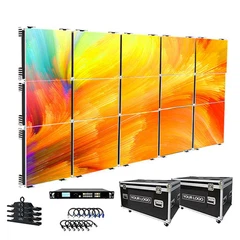
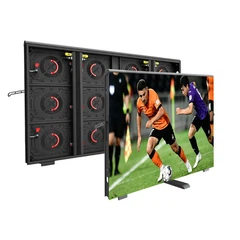
For larger commercial operations, our 163 Inch All in One LED is an excellent choice. This large - scale all - in - one LED system can cover a significant area, providing consistent and high - quality lighting for a large number of plants. It is designed to be durable and energy - efficient, ensuring long - term performance and cost savings.
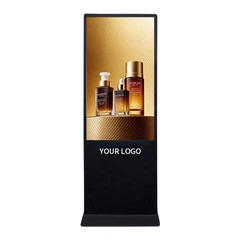
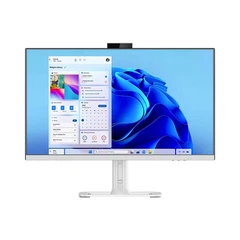
We also have the LED Screen All - In - One 108 Inch, which combines the functionality of a display screen with advanced lighting capabilities. This innovative product can be used not only for plant growth but also for educational purposes, such as demonstrating the effects of different light spectra on plants in a classroom setting.
Conclusion and Call to Action
All - in - one LEDs have revolutionized the way we approach plant growth, offering a more energy - efficient, customizable, and effective lighting solution. Whether you are a hobbyist gardener looking to grow herbs on your windowsill or a large - scale commercial grower aiming to maximize yields, our all - in - one LEDs can meet your needs.


If you are interested in learning more about our all - in - one LED products and how they can benefit your plant cultivation projects, we encourage you to reach out to us. Our team of experts is ready to provide you with detailed information, answer your questions, and help you find the best lighting solution for your specific requirements. Let's work together to unlock the full potential of plant growth with all - in - one LEDs.
References
- Smith, J. (2020). "The Impact of LED Lighting on Plant Physiology." Journal of Horticultural Science.
- Johnson, A. et al. (2021). "Comparative Study of Traditional and LED Lighting in Indoor Plant Cultivation." Agricultural Research Journal.
- Brown, C. (2022). "Customizable Light Spectra for Optimal Plant Growth with All - in - One LEDs." Horticultural Technology Review.


