















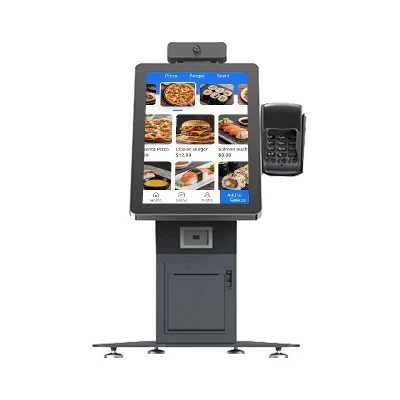



In the modern era of rapid technological advancement, self - service kiosks have gained significant traction across various industries, revolutionizing the way businesses interact with their customers. As a leading provider of Kiosk Self Service, I've witnessed firsthand the transformative power of these innovative devices. One area where their potential remains largely untapped is library services. In this blog post, I'll explore the feasibility and benefits of implementing kiosk self - service in libraries.
The Current State of Library Services
Traditional library services often involve long queues at the circulation desks, manual catalog searches, and time - consuming processes for checking out and returning books. Librarians are frequently burdened with routine tasks such as issuing library cards, renewing loans, and answering basic queries. This not only leads to inefficiencies but also limits the time librarians can spend on more valuable activities like assisting patrons with research and providing specialized information.
How Kiosk Self - Service Can Transform Library Services
1. Streamlined Check - in and Check - out Processes
One of the most significant advantages of kiosk self - service in libraries is the ability to automate the check - in and check - out processes. Patrons can use the kiosks to scan their library cards and the barcodes on the books they wish to borrow or return. This eliminates the need for long waits at the circulation desk, especially during peak hours. For example, a large university library with thousands of students borrowing and returning books daily could significantly reduce congestion at the service desks by implementing self - service kiosks.
2. 24/7 Access to Library Services
Libraries often have limited operating hours, which can be a hindrance for patrons with busy schedules. Kiosk self - service can provide 24/7 access to basic library services. Patrons can return books at any time, even when the library is closed. They can also check their account status, renew loans, and search the library catalog. This increased accessibility can enhance the overall user experience and make the library more user - friendly.
3. Reduced Staff Workload
By automating routine tasks, kiosk self - service can free up librarians' time. Instead of spending hours at the circulation desk, librarians can focus on more complex tasks such as providing research assistance, organizing library events, and curating collections. This not only improves the quality of library services but also allows librarians to utilize their skills and expertise more effectively.
4. Enhanced User Experience
Self - service kiosks can provide a more personalized and efficient experience for library patrons. For instance, kiosks can offer personalized recommendations based on a patron's borrowing history. They can also provide real - time information about the availability of books and other library resources. Additionally, the use of touch - screen interfaces and intuitive software makes the kiosks easy to use, even for those with limited technological skills.


Types of Kiosks Suitable for Library Services
Informational Kiosk
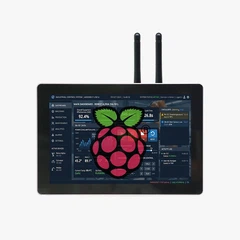
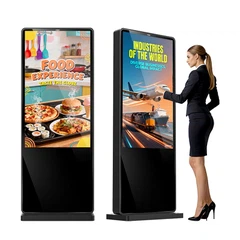
Informational kiosks can be used to provide patrons with a wealth of information about the library. They can display library policies, hours of operation, upcoming events, and guides on how to use library resources. These kiosks can be placed in the library lobby or other high - traffic areas to ensure maximum visibility.
L Shaped Self Service Kiosk
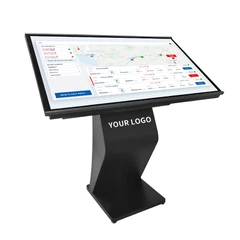
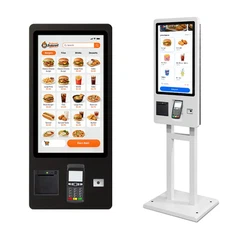
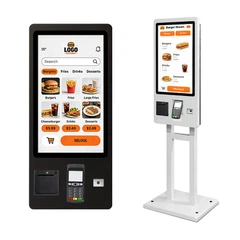
L - shaped self - service kiosks are ideal for libraries as they offer a large display area and can be placed in corners or along walls, saving valuable floor space. These kiosks can be used for multiple functions, such as book check - in and check - out, account management, and catalog searches.
Challenges and Solutions
1. Technological Literacy
One of the main challenges in implementing kiosk self - service in libraries is the technological literacy of patrons. Some patrons, especially older adults or those with limited access to technology, may be hesitant to use the kiosks. To address this issue, libraries can provide training sessions and clear instructions on how to use the kiosks. Additionally, library staff can be on hand to assist patrons who are having difficulty.
2. Maintenance and Technical Support
Kiosk self - service systems require regular maintenance and technical support to ensure smooth operation. Libraries need to have a plan in place for troubleshooting common issues such as software glitches and hardware malfunctions. As a kiosk self - service provider, we offer comprehensive maintenance and support services to ensure that our kiosks are always up and running.
3. Security and Privacy
Libraries handle a large amount of sensitive patron information, such as borrowing history and personal details. Kiosk self - service systems need to be designed with robust security measures to protect this information. We use the latest encryption technologies and security protocols to ensure the privacy and security of patron data.
Conclusion
In conclusion, kiosk self - service has the potential to revolutionize library services. By streamlining processes, increasing accessibility, reducing staff workload, and enhancing the user experience, kiosks can make libraries more efficient and user - friendly. While there are some challenges to overcome, the benefits far outweigh the drawbacks.
If you're a library administrator or manager interested in exploring the implementation of kiosk self - service in your library, I encourage you to reach out to us. We have a team of experts who can work with you to design a customized kiosk solution that meets the specific needs of your library. Let's work together to take your library services to the next level.
References
- "The Impact of Self - Service Technologies on Library Operations" - Journal of Library Management
- "Enhancing Library User Experience through Kiosk Self - Service" - Library Trends
- "Security Considerations for Self - Service Kiosks in Libraries" - Information Security Journal


